
EMDR stands for Eye Movement Desensitization Reprocessing used to help process trauma using bilateral eye movements, tapping, and or sounds (whatever is most comfortable for you!). EMDR is an evidence-based therapy recognized by health organizations like the World Health Organization and the American Psychological Association for treating PTSD and trauma.
EMDR combines talk therapy with the bilateral stimulation technique to shift stuck feelings in the body allowing the neural pathways in the brain to naturally heal. This empowers clients to notice and reprocess distressing experiences and memories while encouraging them to engage back with their emotions. The goal is to foster resilience and healing to reduce anxiety, bodily activation, better cope with triggers, and increase overall well-being.
When we experience trauma, our bodies go into protection mode sometimes only leaving a fragment of a memory behind, making us feel stuck and overwhelmed. EMDR works by moving this stuck sensation through and out of the nervous system. While this can feel uncomfortable, in the moment, properly trained therapists will work to make processing as comfortable as possible, always obtain informed consent, and create a stop signal before beginning any processing.
EMDR helps us to understand that:
The past is in the present
The brain has an innate capacity to heal itself
EMDR is helpful for many different concerns, the best way to describe its effect is that it is taking the ‘charge’ away from a distressing memories or experience. This charge can feel like a fast heart beat, sweating, shaking, freezing, feeling dizzy, increased rumination, fatigue, digestive issues, and more.
These responses can be associated with different mental health concerns such as:
EMDR helps with the above concerns by reducing the body's automatic response to external stimuli and internal triggers while shifting towards a more adaptive outlook.
As an EMDRIA trained therapist you can expect a comprehensive, titrated, phased based approach.
You can first expect history taking as part of EMDR therapy, this can feel like traditional talk therapy, however the purpose is to explore internal negative core beliefs with connected memories and experiences to incorporate into processing. As well as explore adaptive and positive beliefs and experiences to install to empower a shift within your therapeutic journey.
You can then expect preparation, implementing emotional regulation and grounding strategies to manage emotional overwhelm to best prepare for uncomfortable sensations processing may bring up.
Next comes processing, using the form of bilateral stimulation that you are most comfortable with, this is much different than regular therapy, it is important to be curious and non-judgmental. If any discomfort comes up, we stop and talk about it! Once the disturbance has lowered, we then install the adaptive belief using bilateral stimulation again.
Finally we do a body scan to check and see if any activation attached to the memory still remains in the body.
At the end of every processing session we close with a grounding exercise of your choice, it can be as simple as doing a debrief or deep breathing. At the beginning of each session we check back in and re-evaluate if there have been any new insights or changes with the previously processed memory.
EMDR is a flexible therapy, traditional talk therapy sessions can occur when you are not wanting to process or want to focus on something else. I ensure to take a collaborative approach with what works best for each individual.
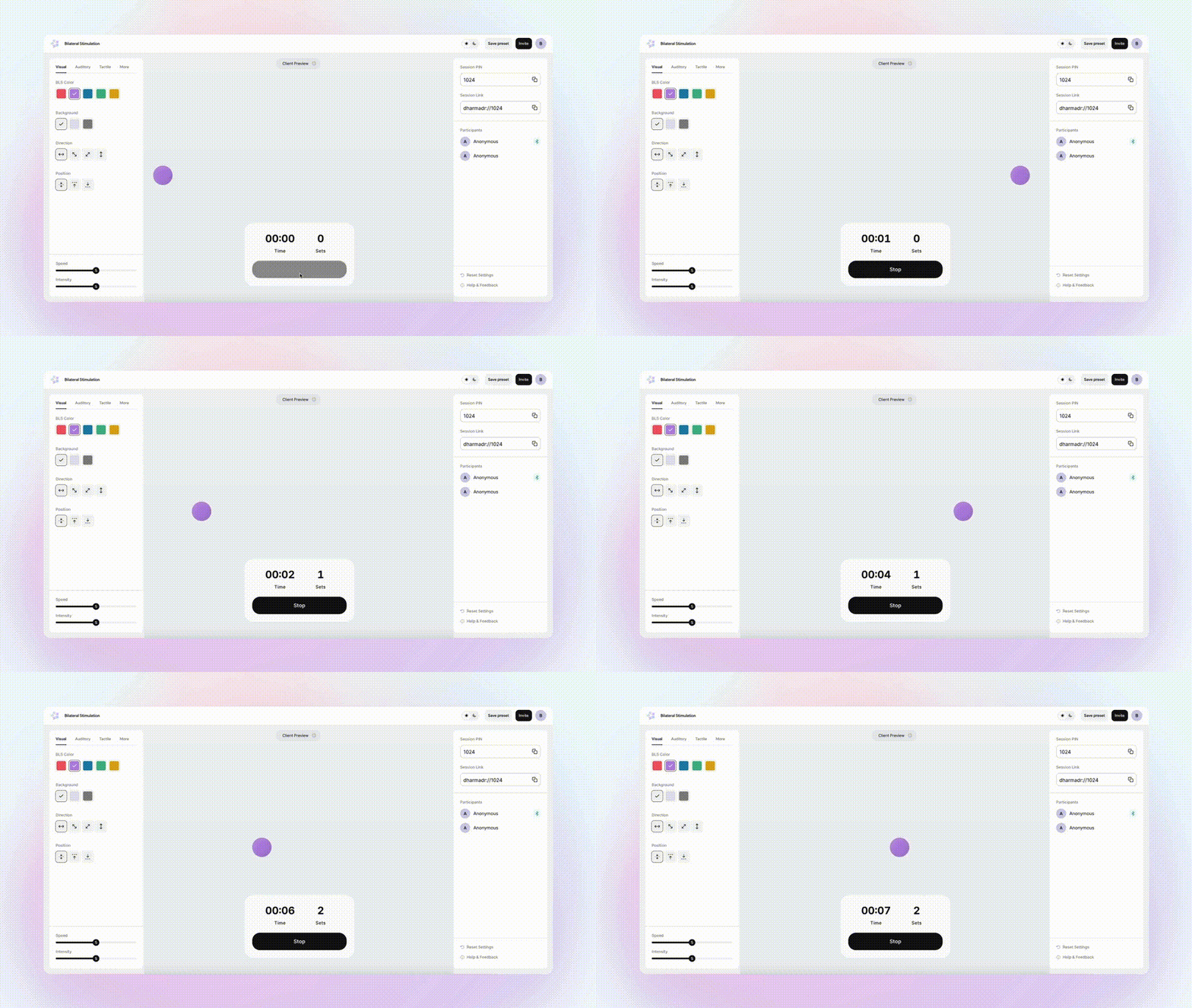
Absolutely, EMDR can be done virtually! Virtual EMDR can be done through a visual or audio that the therapist manages on their computer (as seen in the demonstration below). Or it can be done by the client tapping on themselves or an object. Again, this is a personal preference.
This is a deeply personal question and choice. IIf you feel like you have exhausted talk therapy options and want to try something different, EMDR will put a focus on the body. If you are someone that has a feeling of impending doom manifesting as a sinking feeling in the chest, has the same negative belief popping up, or has triggers that connect to stressful emotional reactions, EMDR could be a good therapy to explore.
EMDR will not ‘cure’ or completely rid distressing feelings. It can help to shift perspective, calm the nervous system over time, and form more adaptive beliefs to support you to feel empowered to navigate the world.
If you are interested in exploring virtual EMDR more, book a free 15-minute consultation